

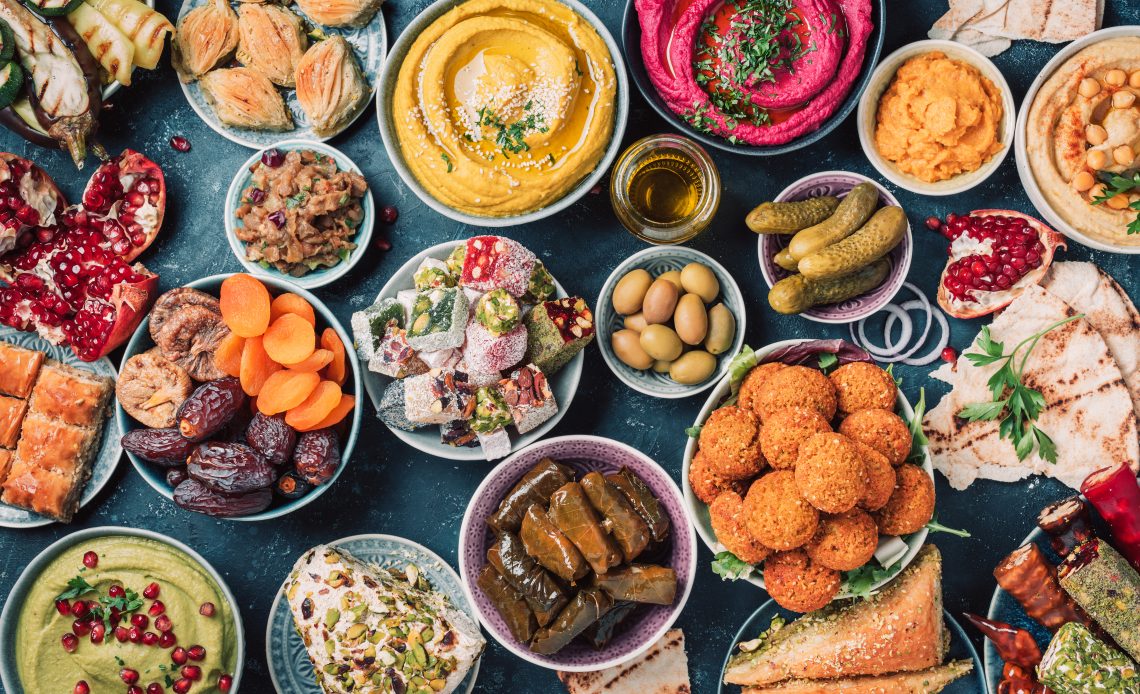
Cultural celebrations are all about honoring tradition, sharing heritage, and creating meaningful experiences—and food is at the heart of it. Arab cuisine, with its rich flavors, communal dishes, and visually stunning presentation, is perfect for cultural events, from religious festivals to national holidays and family gatherings. Here’s how Arab catering enhances cultural celebrations.
1. Highlight Traditional Dishes
Authenticity matters in cultural celebrations:
- Mezze Platters: Hummus, baba ghanoush, muhammara, tabbouleh, and stuffed grape leaves
- Signature Mains: Shawarma, kebabs, kabsa, maqluba, and stuffed vegetables
- Desserts: Baklava, kunafa, ma’amoul cookies, and dates
Tip: Include dishes that are traditional to the specific celebration or region to honor heritage.
2. Offer Shareable and Communal Options
Arab cuisine thrives on sharing and togetherness:
- Platters of rice dishes, meats, and mezze allow guests to serve themselves
- Finger foods like mini kebabs, falafel balls, and small wraps encourage mingling
- Dessert platters and sweet bites bring everyone together at the table
Impact: Guests feel connected, and the communal style reflects cultural traditions of hospitality.
3. Incorporate Interactive Stations
Interactive food stations make cultural celebrations more engaging and memorable:
- Build-your-own shawarma or grain bowl stations
- Live cooking of manakish or flatbreads
- Mezze tasting stations for guided exploration of flavors
Benefit: Guests participate in the dining experience, creating lasting memories.
4. Cater to Diverse Dietary Needs
Cultural events often bring guests with varying dietary requirements:
- Offer halal-certified dishes as standard
- Include vegetarian, vegan, and gluten-free options
- Provide lighter sides, salads, and refreshing beverages
Outcome: Everyone can enjoy the celebration without worry, enhancing inclusivity.
5. Presentation and Décor
The visual and thematic elements amplify the cultural experience:
- Use vibrant platters, garnishes like pomegranate seeds and fresh herbs
- Decorate tables with lanterns, traditional fabrics, and patterned tableware
- Label dishes with names and cultural significance for educational value
Impact: Guests are immersed in the culture, making the event both visually and gastronomically memorable.
6. Beverages That Complement the Menu
Traditional beverages enhance cultural authenticity:
- Arabic Coffee (Qahwa): Lightly spiced and aromatic
- Mint Tea: Refreshing and culturally symbolic
- Fruit-based mocktails or juices inspired by Middle Eastern flavors
Benefit: Drinks complete the culinary journey while honoring cultural traditions.
Final Takeaway
Catering Arab food for cultural celebrations goes beyond feeding guests—it’s about celebrating heritage, creating connections, and sharing flavors that tell a story. By combining traditional dishes, communal platters, interactive stations, and thoughtful presentation, Arab catering transforms cultural events into memorable, immersive experiences that delight every guest.