

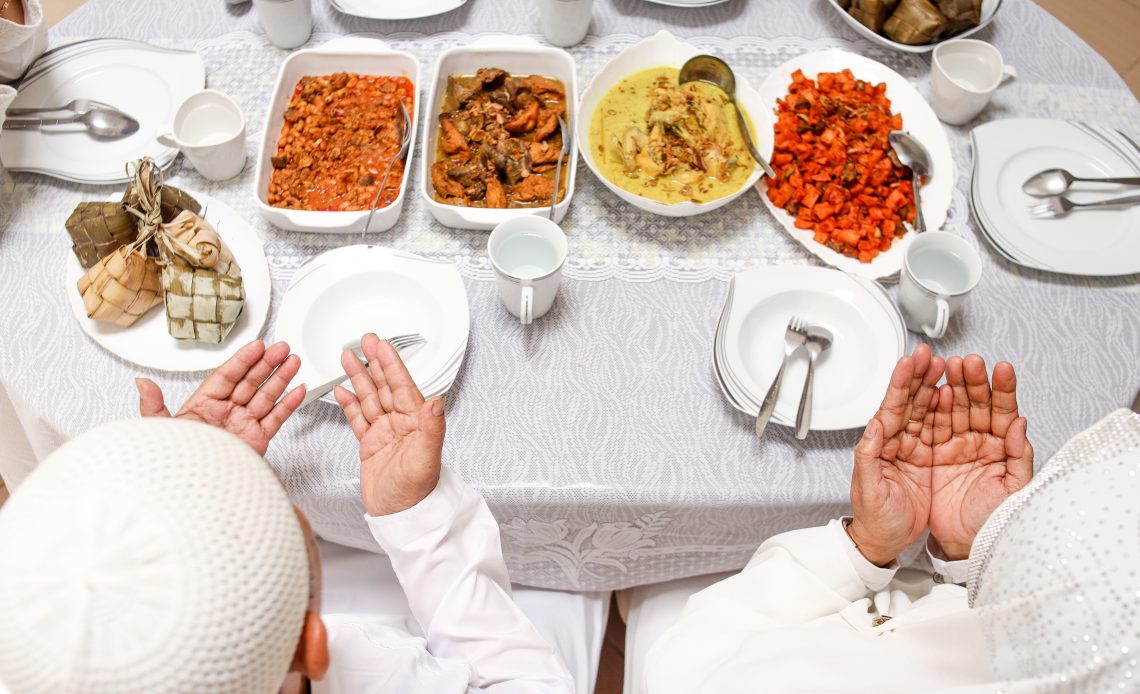
When planning a religious event, ensuring that your catering respects Halal dietary requirements is essential. Halal food is more than a preference—it reflects faith, ethics, and cultural observance, and proper adherence can make a significant difference for your guests. Here’s what to consider when arranging Halal catering for religious events.
1. Understanding Halal Requirements
- Definition: Halal refers to food that is permissible under Islamic law, including the type of ingredients, preparation, and handling.
- Meat Guidelines: Only meat from permissible animals slaughtered according to Islamic guidelines is considered Halal.
- Prohibited Items: Pork, alcohol, and non-Halal meat are strictly avoided.
Impact: Proper Halal adherence ensures guests can participate fully without concern, reflecting respect for religious practices.
2. Choosing a Certified Halal Caterer
- Look for caterers with Halal certification from recognized authorities.
- Ask about sourcing practices to ensure all ingredients meet Halal standards.
- Confirm that the kitchen and cooking utensils are separate to prevent cross-contamination with non-Halal items.
Benefit: Certification and transparency provide confidence and peace of mind for both hosts and guests.
3. Menu Planning for Religious Events
- Include balanced, flavorful dishes that adhere to Halal requirements, such as:
- Mezze platters with hummus, baba ghanoush, and tabbouleh
- Rice dishes like kabsa or maqluba
- Grilled meats or plant-based alternatives prepared Halal
- Consider vegetarian and vegan options for additional inclusivity.
Outcome: Guests enjoy authentic, satisfying cuisine that aligns with religious observance.
4. Avoiding Cross-Contamination
- Ensure separate preparation areas and utensils for Halal and non-Halal foods.
- Confirm that staff are trained on Halal handling procedures.
- Label dishes clearly to avoid confusion during service.
Impact: Prevents accidental violations and maintains trust and respect among attendees.
5. Catering for Large Religious Gatherings
- Coordinate timing, portions, and service style to handle high guest counts while adhering to Halal practices.
- Buffet setups, plated service, or live stations should all follow Halal protocols.
- Plan for special occasions like Iftar during Ramadan or Eid celebrations, where Halal observance is critical.
Benefit: Proper planning ensures a seamless, respectful, and enjoyable dining experience for all guests.
Final Takeaway
Halal considerations are essential for religious event catering, encompassing certified ingredients, proper preparation, dietary inclusivity, and meticulous service protocols. Working with a trusted Halal caterer ensures your guests can fully enjoy the food, respect religious practices, and experience an authentic, culturally appropriate event.