

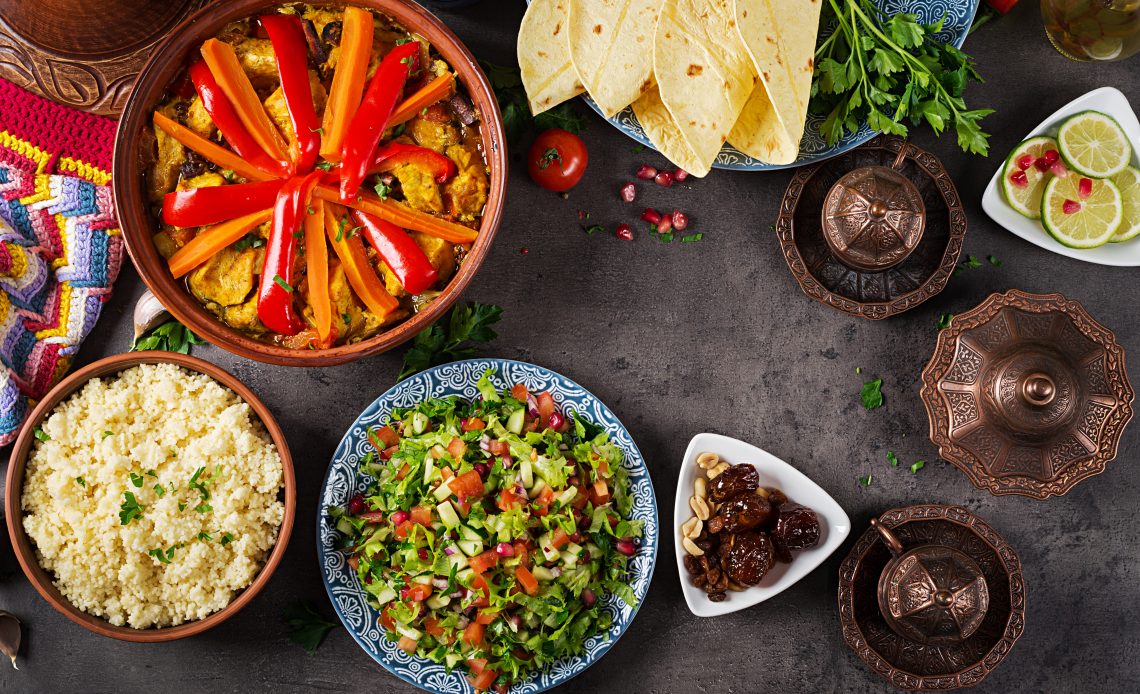
Arab cuisine is more than just delicious food—it’s deeply tied to traditions, faith, and community. At religious events, meals play a central role in bringing people together, expressing hospitality, and honoring cultural values. Understanding the cultural significance of Arab food enhances both the dining experience and the meaning of the occasion.
1. Food as a Symbol of Hospitality
- Arab culture places high value on generosity and hospitality, especially during religious gatherings.
- Serving abundant, flavorful dishes shows respect and care for guests, reinforcing social bonds.
- Traditional spreads often include mezze platters, bread, rice dishes, and sweets, reflecting communal sharing.
Impact: The food itself becomes a gesture of welcome and inclusion, central to the event’s spirit.
2. Connecting with Tradition
- Religious events often incorporate regional specialties and ancestral recipes passed down through generations.
- Dishes served during Ramadan, Eid, or other religious celebrations—such as harira soup, maqluba, or dates—carry symbolic and spiritual meaning.
- Preserving traditional cooking methods strengthens cultural identity and continuity.
Benefit: Guests experience a deep connection to heritage and faith through authentic cuisine.
3. Supporting Communal Rituals
- Many Arab religious events involve shared meals as part of the ritual, like Iftar during Ramadan or Eid feasts.
- Food facilitates gatherings, prayer reflections, and celebrations, making the meal a central communal activity.
- Certain dishes may hold specific religious symbolism, such as dates to break fasts, symbolizing purity and sustenance.
Impact: Meals act as a cultural and spiritual centerpiece, fostering unity and devotion.
4. Balancing Dietary Observances
- Religious dietary laws, like Halal preparation, are strictly observed in Arab catering.
- Ingredients and cooking methods reflect faith-based requirements, ensuring guests can partake confidently.
- Caterers often adapt menus for fasting periods or special religious occasions, demonstrating respect for tradition.
Outcome: Meals honor faith practices while maintaining flavor and cultural authenticity.
5. Celebratory and Symbolic Sweets
- Desserts like baklava, ma’amoul, or qatayef are not just treats—they symbolize celebration, generosity, and community.
- Sweet dishes often mark the end of a religious observance or a festive gathering, reinforcing joy and togetherness.
Benefit: Desserts contribute to the ritual significance and communal experience of the event.
Final Takeaway
Arab food at religious events is more than nourishment—it’s a cultural expression, a symbol of hospitality, and a means of preserving tradition. From mezze platters and main courses to symbolic desserts, every dish contributes to the spiritual, communal, and celebratory aspects of the gathering. By understanding the cultural significance of these foods, hosts can create a meaningful, authentic, and memorable religious experience for all attendees.