

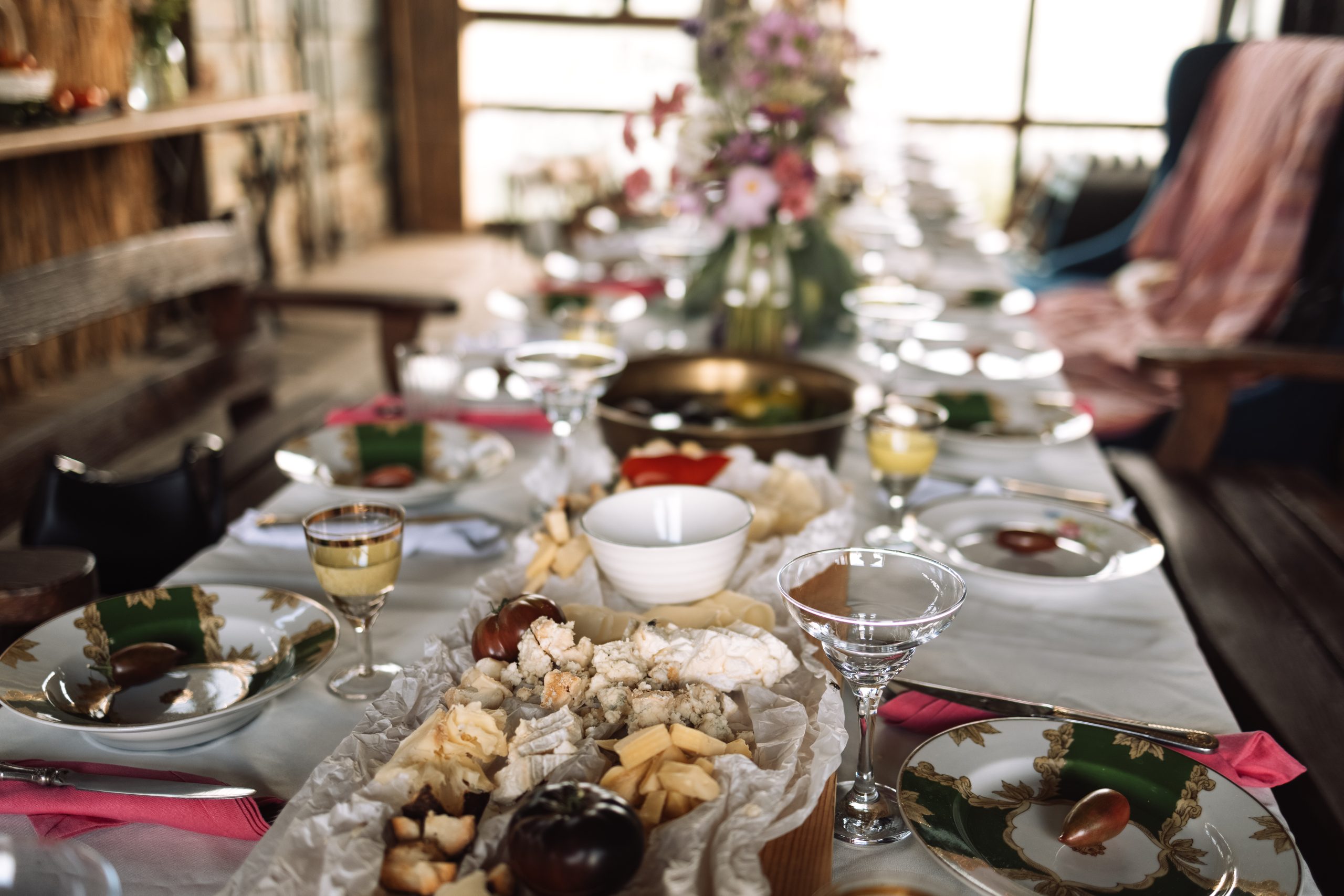
Arab weddings are renowned for their lavish celebrations, vibrant culture, and unforgettable feasts. Catering plays a central role in these events, reflecting hospitality, tradition, and abundance. If you’re planning or attending an Arab wedding, here are the key catering traditions you should know.
1. Mezze: The Traditional Starter Spread
Mezze—small appetizer dishes—is a staple of Arab wedding feasts:
- Includes hummus, baba ghanoush, tabbouleh, falafel, and stuffed grape leaves
- Served on large communal platters to encourage sharing
- Often replenished throughout the reception
Impact: Mezze sets the tone for generosity and abundance, allowing guests to mingle while sampling a variety of flavors.
2. Signature Main Courses
Arab wedding menus emphasize hearty and aromatic main dishes:
- Roasted meats: Lamb, beef, or chicken marinated in traditional spices
- Rice dishes: Kabsa, maqluba, or mandi, often cooked with nuts, raisins, and aromatic spices
- Grilled specialties: Shawarma, kebabs, and kofta for added variety
Benefit: Ensures guests leave satisfied, with a memorable taste of authentic Arab cuisine.
3. Desserts and Sweets
No Arab wedding feast is complete without sweet treats:
- Baklava, kunafa, and ma’amoul are popular choices
- Sometimes, fresh fruits and nuts are offered as a light, elegant finish
- Desserts are often displayed beautifully on ornate platters or dessert tables
Impact: Adds a festive, indulgent touch that guests anticipate and remember.
4. Coffee and Tea Traditions
Arab weddings honor hospitality through traditional beverages:
- Arabic coffee (qahwa): Often spiced with cardamom, served in small cups
- Mint tea: Refreshing and served alongside desserts or mezze
Benefit: Beverages complement the food, enhance social interaction, and reflect cultural rituals.
5. Communal Dining and Sharing
Arab wedding catering is built around sharing and abundance:
- Platters are served family-style or buffet-style to encourage communal dining
- Guests are invited to sample multiple dishes rather than single servings
- Large-scale catering accommodates hundreds of guests seamlessly
Outcome: Creates a festive atmosphere where food brings people together.
6. Presentation Matters
In Arab weddings, visual appeal is as important as taste:
- Platters are garnished with fresh herbs, pomegranate seeds, and nuts
- Buffet setups are arranged for elegance and ease of access
- Some weddings include live cooking stations for an interactive experience
Impact: Impresses guests and enhances the celebratory ambiance.
7. Catering for Diverse Guests
Arab wedding caterers often provide options for:
- Vegetarian, vegan, and halal-friendly dishes
- Large-scale servings for extended family and friends
- Customizations based on regional tastes or family traditions
Benefit: Ensures all guests feel included and enjoy a complete culinary experience.
Final Takeaway
Arab wedding catering is about abundance, authenticity, and hospitality. From mezze starters to aromatic main courses, decadent desserts, traditional beverages, and stunning presentation, the food is designed to celebrate both the couple and their guests. Understanding these traditions helps hosts and planners create a memorable, culturally rich experience that honors the essence of Arab weddings.