

Arab weddings are a celebration of family, culture, and culinary tradition, and the right caterer can make all the difference. From authentic flavors to beautiful presentation and smooth service, choosing the right professional ensures your wedding feast is unforgettable. Here’s a step-by-step guide.
1. Look for Experience with Arab Cuisine
Not all caterers are familiar with traditional Arab recipes and wedding-style service:
- Choose a caterer who specializes in Arab cuisine
- Ensure they have experience with weddings and large-scale events
- Ask about their knowledge of regional dishes and authentic preparation methods
Benefit: Guarantees authentic flavors and a menu that aligns with cultural expectations.
2. Evaluate Their Menu Options
A great caterer offers variety and flexibility:
- Mezze platters: hummus, baba ghanoush, tabbouleh, falafel, stuffed grape leaves
- Main courses: shawarma, kebabs, roasted meats, rice dishes like kabsa or maqluba
- Desserts: baklava, kunafa, ma’amoul
- Beverages: Arabic coffee, mint tea, fresh fruit juices
Tip: Ask if they can accommodate dietary needs such as vegetarian, vegan, gluten-free, or halal options.
Outcome: Your menu will satisfy all guests while maintaining authenticity.
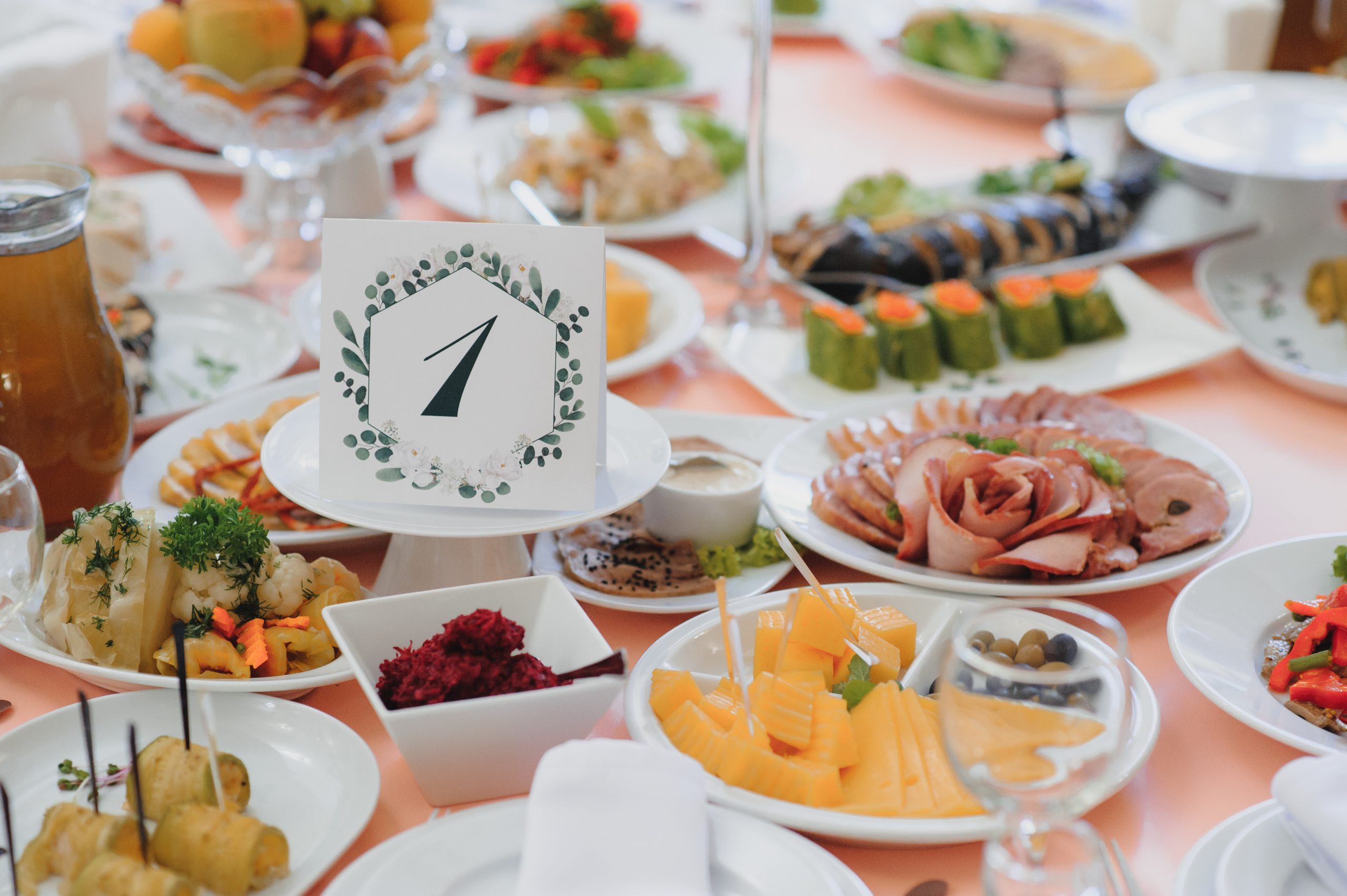
3. Consider Presentation and Style
Arab weddings emphasize visually appealing food:
- Platters garnished with fresh herbs, pomegranate seeds, and nuts
- Buffet or family-style service for large gatherings
- Optional live cooking stations for interactive experiences
Impact: Creates a memorable dining experience that impresses guests.
4. Check Reviews and References
A caterer’s reputation matters:
- Look for testimonials from past Arab weddings
- Ask for references or portfolios of previous events
- Check social media for photos and client feedback
Benefit: Provides confidence that the caterer can handle the scale and style of your wedding.
5. Assess Staffing and Service
Professional Arab wedding catering includes more than just food:
- Trained staff for setup, serving, and cleanup
- Coordination with the venue and event planner
- Attention to timing and flow of service
Outcome: Guests enjoy seamless service, and hosts are free to focus on the celebration.
6. Confirm Logistics and Equipment
Ensure the caterer handles all operational details:
- Delivery, setup, and temperature-controlled transport
- Serving utensils, platters, and sometimes decorative elements
- Flexibility for indoor or outdoor venues
Impact: Avoids last-minute surprises and ensures fresh, high-quality food.
7. Discuss Pricing and Packages
Transparent pricing ensures no surprises:
- Request a detailed quote including food, staff, and service equipment
- Clarify costs for custom menu items or additional services
- Compare packages to find the best fit for your guest count and budget
Benefit: Keeps the wedding within budget while ensuring high-quality catering.
Final Takeaway
Choosing the right caterer for an Arab wedding means focusing on experience, menu variety, presentation, reputation, service quality, logistics, and pricing transparency. A professional caterer ensures that your wedding feast is authentic, beautifully presented, and smoothly executed—creating a culinary experience your guests will remember long after the celebration.