

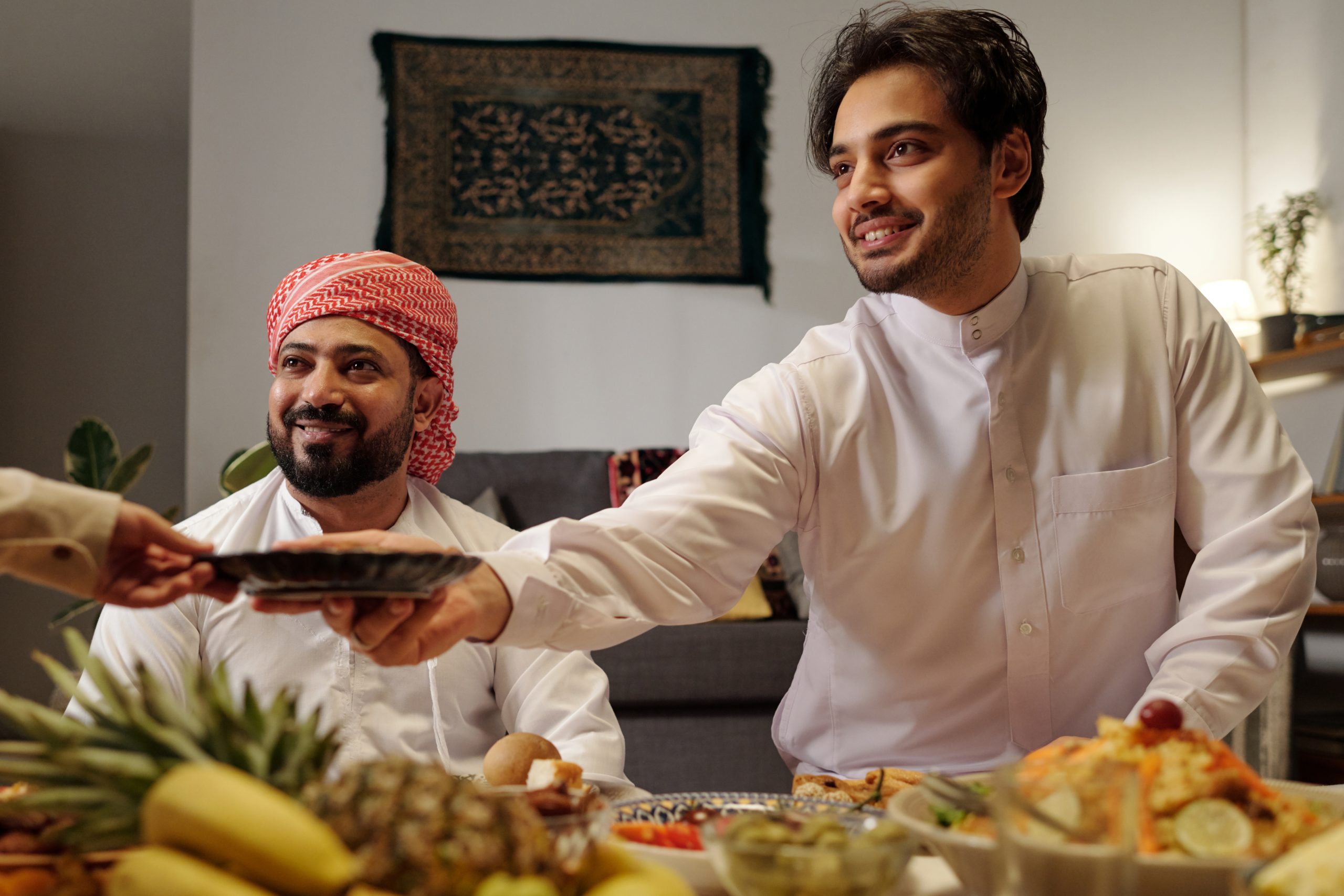
Arab cuisine is more than just food—it’s culture, tradition, and hospitality on a plate. For events, maintaining authenticity is essential to deliver a true Arab culinary experience. Here’s how professional Arab caterers preserve authenticity while serving large events or corporate gatherings.
1. Using Traditional Ingredients
Authentic Arab dishes rely on fresh, regional ingredients:
- Olive oil, sumac, za’atar, tahini, and pomegranate for flavor depth
- Certified halal meats and fresh produce
- Locally sourced or imported spices to replicate traditional flavors
Impact: Guests experience the true taste of Arab cuisine, not just a modern interpretation.
2. Following Classic Recipes
Maintaining traditional cooking methods is key:
- Mezze like hummus, baba ghanoush, and tabbouleh prepared in the authentic way
- Rice dishes like kabsa, maqluba, or mandi cooked with time-honored techniques
- Slow-roasted meats seasoned with classic spice blends
Benefit: Preserves the cultural integrity of each dish, delighting guests familiar with Arab flavors.
3. Skilled Chefs and Culinary Expertise
Professional Arab caterers employ trained chefs familiar with regional specialties:
- Understanding of spice balance, texture, and presentation
- Ability to scale recipes for large events without compromising quality
- Knowledge of both traditional and modern plating styles
Outcome: Ensures consistency, flavor, and authenticity across every dish.
4. Authentic Presentation
Visual appeal is part of the Arab dining experience:
- Large, colorful platters garnished with nuts, fresh herbs, and pomegranate seeds
- Mezze arranged for communal sharing
- Elegant, culturally inspired table setups for events
Impact: Guests enjoy both the taste and the traditional aesthetic of Arab cuisine.
5. Respecting Dietary Practices
Authenticity also means adhering to halal and cultural guidelines:
- Properly sourced and prepared halal meats
- Avoiding prohibited ingredients like pork or alcohol
- Offering vegetarian and vegan options that reflect traditional dishes
Benefit: Combines authenticity with inclusivity, ensuring all guests can enjoy the meal.
6. Storytelling Through Food
Arab catering often includes context and storytelling:
- Explaining the origin or significance of dishes
- Highlighting regional variations and traditional preparation methods
- Engaging guests with the cultural richness behind each course
Outcome: Elevates the dining experience, making it memorable and educational.
Final Takeaway
Preserving authenticity in Arab catering means combining traditional ingredients, classic recipes, skilled chefs, authentic presentation, cultural respect, and storytelling. For weddings, corporate events, or social gatherings, authentic Arab catering provides guests with a true taste of the region, leaving a lasting impression.