

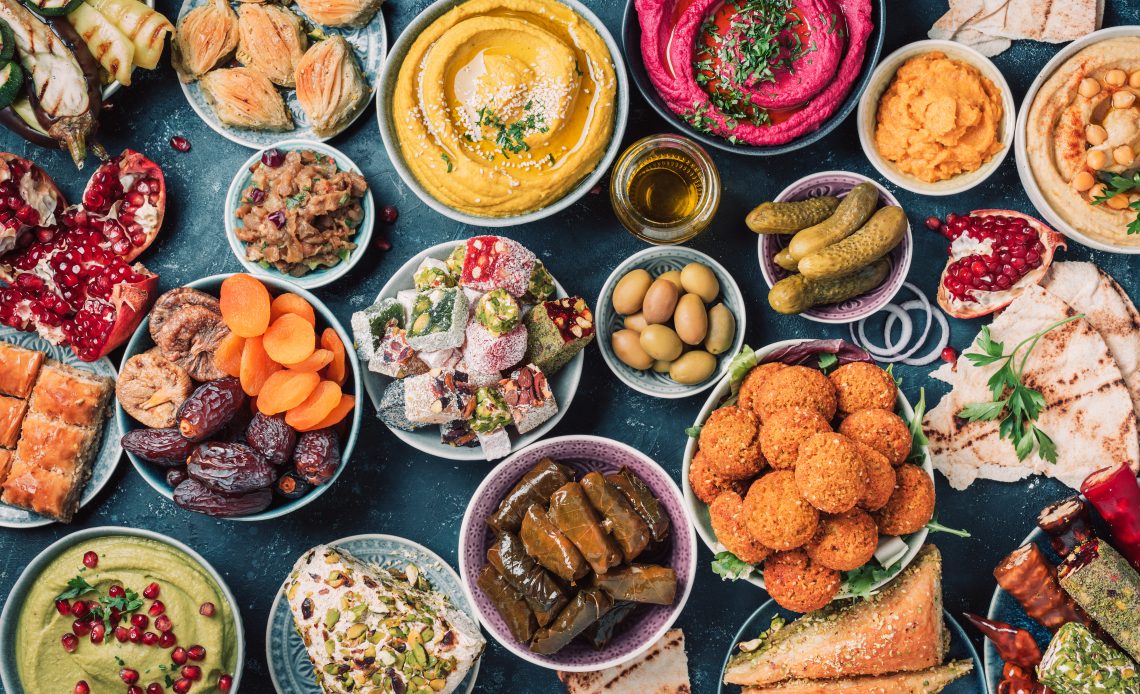
Arab cuisine has long been a centerpiece of religious and cultural gatherings, offering flavorful, communal dishes that bring people together. From Ramadan Iftar dinners to Eid celebrations, properly catered Arab food enhances the spiritual and social aspects of these events. Here’s how to approach catering for religious gatherings with authenticity and care.
1. Emphasize Tradition and Authenticity
- Serve dishes that reflect the cultural and regional roots of Arab cuisine.
- Popular traditional items include mezze platters, maqluba, kabsa, stuffed grape leaves, and lentil-based dishes.
- Authentic preparation methods ensure that the food resonates with the cultural and religious significance of the gathering.
Impact: Guests feel connected to tradition and heritage, making the meal more meaningful.
2. Observe Dietary and Halal Requirements
- Ensure all meat and poultry are Halal certified and free from prohibited ingredients.
- Cater for vegetarian, vegan, and gluten-free options to accommodate diverse needs.
- Proper labeling and separate preparation areas prevent cross-contamination.
Benefit: Everyone can participate in the meal with confidence and respect for religious observances.
3. Plan for Communal Dining
- Arab religious gatherings often emphasize sharing meals among guests, highlighting hospitality and togetherness.
- Buffet-style setups, shared mezze, and communal platters allow guests to serve themselves while enjoying social interaction.
- Consider family-style portions to reinforce the spirit of community.
Outcome: Food becomes a catalyst for connection and celebration.
4. Include Seasonal and Festive Dishes
- Align the menu with religious calendars:
- Ramadan: Dates, soups like harira, light mezze, and slow-cooked mains
- Eid: Sweet treats such as baklava, ma’amoul, or qatayef alongside hearty main dishes
- Seasonal ingredients ensure fresh, flavorful, and vibrant dishes.
Impact: Seasonal and festive dishes enhance the celebratory and spiritual atmosphere.
5. Focus on Presentation and Service
- Use tiered platters, garnishes, and culturally inspired décor to make the food visually appealing.
- Buffet stations, plated service, or live cooking stations can all reflect the event’s formality and scale.
- Adequate staffing ensures smooth service and a positive guest experience.
Benefit: Presentation and service elevate the event, making the meal memorable and enjoyable.
6. Collaborate with Your Caterer
- Discuss event size, dietary needs, menu preferences, and religious requirements with your caterer.
- Schedule menu tastings and consultations to ensure flavors and presentation meet expectations.
- Coordinate logistics for timing, portioning, and replenishment during the gathering.
Outcome: Close collaboration ensures a seamless, authentic, and culturally respectful catering experience.
Final Takeaway
Catering Arab food for religious gatherings is about authenticity, community, dietary observance, and presentation. Thoughtful menu planning, Halal compliance, and careful service make meals not only delicious but meaningful, enhancing both the spiritual and social aspects of the event. With the right approach, Arab catering can transform any religious gathering into a memorable and culturally rich experience.